
How to Maintain and Care for Formal Shirts
Washing, drying, ironing, storing and travelling with formal shirts so they stay crisp — including care in a humid climate.
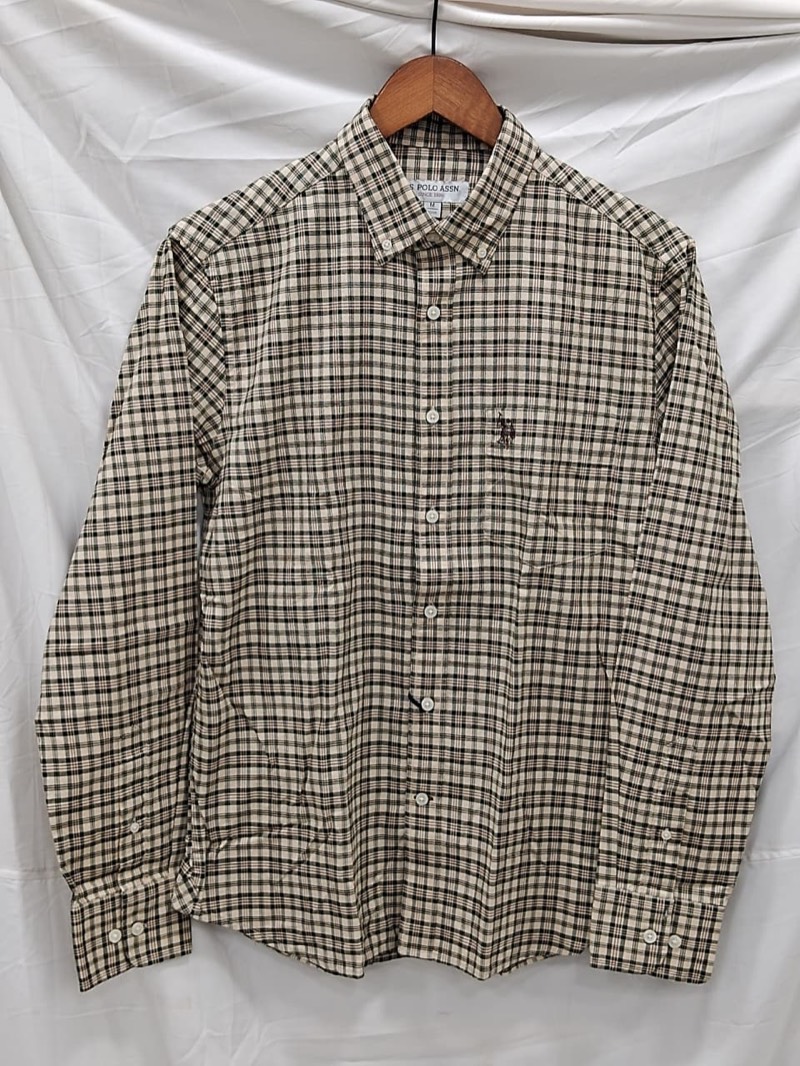
A good formal shirt can look sharp for years or tired within a season, and the difference usually has less to do with the price paid than with how it is washed, dried, pressed and stored. Shirt care is not complicated, but it rewards small, consistent habits. In a climate like Mumbai's, with its humidity, heavy monsoon and hard-water supply in many homes, those habits matter even more.
Start with the care label
Every shirt carries a label with washing, bleaching, drying and ironing instructions, and it is worth reading before the first wash. Pure cotton, cotton blends, linen and shirts with special finishes such as easy-iron or non-iron treatments all behave differently. A label that recommends a cool wash or a low iron is telling you something specific about the fabric or finish, and ignoring it is the fastest way to shrink a collar or yellow a white shirt.
If you are unsure what your shirts are made of, the guide to fabrics, collars and craftsmanship explains how poplin, twill, oxford and other weaves differ, which helps you understand why some shirts need gentler handling than others.
Washing: the routine that protects the shirt
Before the wash
- Remove collar stays if they are removable. Washed stays can warp or mark the collar.
- Unbutton everything, including cuffs and the small buttons on a button-down collar. Washing a shirt buttoned puts strain on the buttonholes and the buttons themselves.
- Empty the pocket. A forgotten pen is one of the most common ways shirts are ruined.
- Pre-treat the collar and cuffs. These areas collect sweat and skin oils first. Work a little liquid detergent into them with your fingers or a soft brush and leave it for a few minutes before washing.
In the machine or by hand
Sort whites from colours, and keep shirts away from towels and jeans, which shed lint and rub against finer weaves. A gentle or shirt cycle at the temperature on the label is usually enough; hotter water is rarely needed for everyday office wear and tends to fade colours and weaken fibres over time. Do not overload the drum, as shirts need room to move to get clean and to avoid deep creasing.
Hand-washing is perfectly good for formal shirts and is common in many Indian households. Use lukewarm water, a mild detergent, and gentle squeezing rather than vigorous twisting, which stretches seams and distorts collars.
Drying in heat, humidity and monsoon
How a shirt dries affects how it looks once ironed. Wherever possible, take shirts out of the machine promptly, shake them out firmly, and hang them on a proper hanger with the collar straightened and the front buttoned at the top and middle. This lets gravity pull out many of the creases before the iron ever touches them.
Strong, direct sunlight dries quickly but fades coloured shirts and can yellow some whites over repeated exposure. Drying in shade or turning coloured shirts inside out is kinder. Tumble dryers are convenient but hard on cotton; high heat can shrink collars and cuffs slightly with every cycle, so if you use one, choose a low setting and remove the shirt while it is still a little damp.
The monsoon brings the opposite problem: shirts that refuse to dry. Fabric left damp for too long develops a musty smell and, eventually, mildew. Space shirts out on the line so air can circulate, use a fan indoors if needed, and avoid folding or wearing anything that is not fully dry.
Ironing in the right order
Cotton irons best when slightly damp. If a shirt has dried completely, a spray of water or the steam setting helps. Work on the reverse side first for darker shirts to avoid creating a shine, and follow a fixed order so you are never re-creasing parts already done.
- Collar: underside first, from the points towards the centre, then the top side. Pressing from the tips inwards prevents small creases forming at the points.
- Cuffs: inside, then outside. For double cuffs, press them flat and fold afterwards.
- Sleeves: lay each flat along the seam and press. A sleeve board avoids a hard crease down the top, though many people are happy with one.
- Yoke: the panel across the shoulders, using the narrow end of the board.
- Back: press the full back panel, easing around any pleats.
- Fronts: finish with the two front panels, working carefully around buttons rather than over them.
Hang the shirt immediately and button the top button so the collar holds its shape while it cools.
Stains common to office life
Most stains are far easier to remove when fresh. Blot rather than rub, and wash as soon as you reasonably can.
Sweat and collar marks. Regular pre-treatment is the best prevention. Avoid applying deodorant immediately before putting on a shirt; letting it dry first reduces the yellowish build-up at the underarms.
Turmeric and curry. Familiar to anyone who has eaten lunch at their desk. Rinse the area from the back with cold water, treat with detergent and wash. Hot water can set the stain. Any faint yellow trace that remains often fades further when the washed shirt dries in daylight.
Ink. Place an absorbent cloth beneath the stain and dab gently with a suitable stain remover, working from the outside inwards so it does not spread.
Tea and coffee. Rinse in cool water from the reverse side as soon as possible, then wash normally.
For anything stubborn on an expensive shirt, a reputable dry cleaner or laundry service is worth consulting before you try anything aggressive.
Storage and rotation
Shirts kept on hangers stay ready to wear; shirts folded in a drawer need ironing again. Use hangers with some width at the shoulder, as thin wire hangers create bumps that are difficult to press out. Leave a little space between shirts so they are not crushed together, and keep the top button fastened.
Humidity is the main storage risk in Mumbai, especially between June and September. Cupboards that stay closed and warm encourage mildew. Open them regularly, consider moisture absorbers, and never store shirts in the plastic covers from a laundry, which trap moisture against the fabric.
Rotation helps every part of a wardrobe. A shirt worn once and then washed and rested will outlast one that is worn and laundered constantly. If you are planning how many shirts to own, the article on building a versatile business wardrobe suggests sensible numbers, and the overview of the professional wardrobe explains how to cover office, meeting and travel days.
Small repairs and knowing when to let go
A loose button is a two-minute repair and worth doing immediately, before the button is lost. Many shirts come with a spare sewn inside the placket or on the care label. Small seam openings can also be closed with a needle and thread before they grow.
Some wear, however, cannot be reversed. Collars eventually fray along the fold, cuffs thin at the edges, and white cotton loses its brightness. A shirt in that condition still has a life at weekends, but your best office wear shirts for men should look fresh. When replacing them, it is a good moment to reconsider fit and colour, and the shirt fit guide will help you check that new shirts suit the way you work now. When you want to compare fabrics and fits in person, you can try formal shirts at Options Mall in Vile Parle West.
The Modern Gentleman's Journal · Options Mall, Vile Parle West, Mumbai