III A note on presentation
The language of a well-dressed man
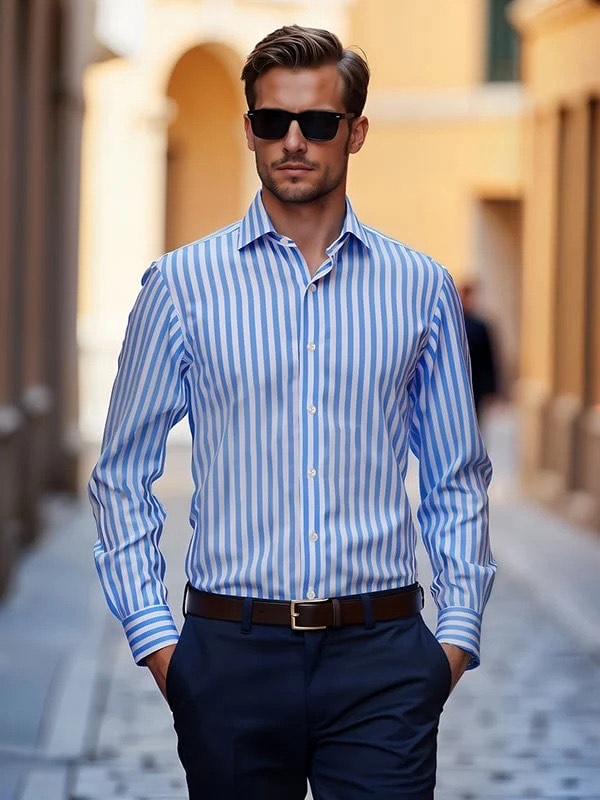
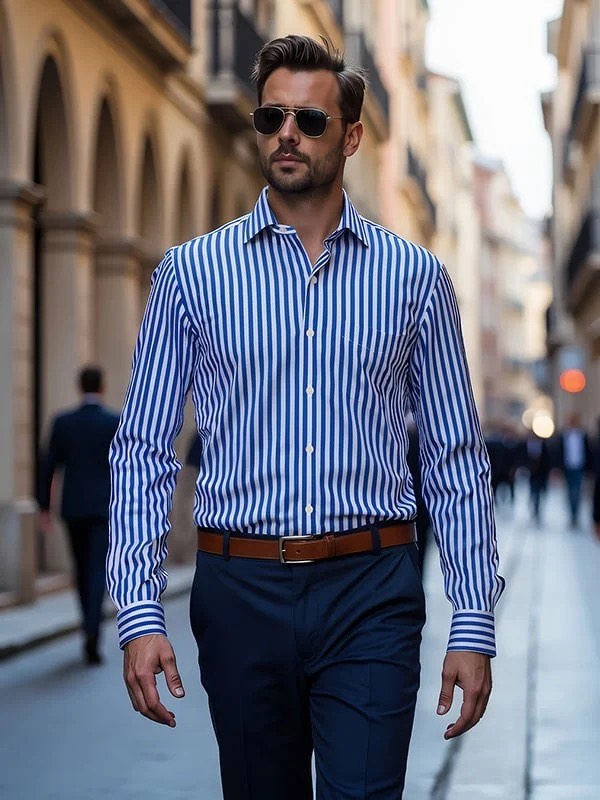
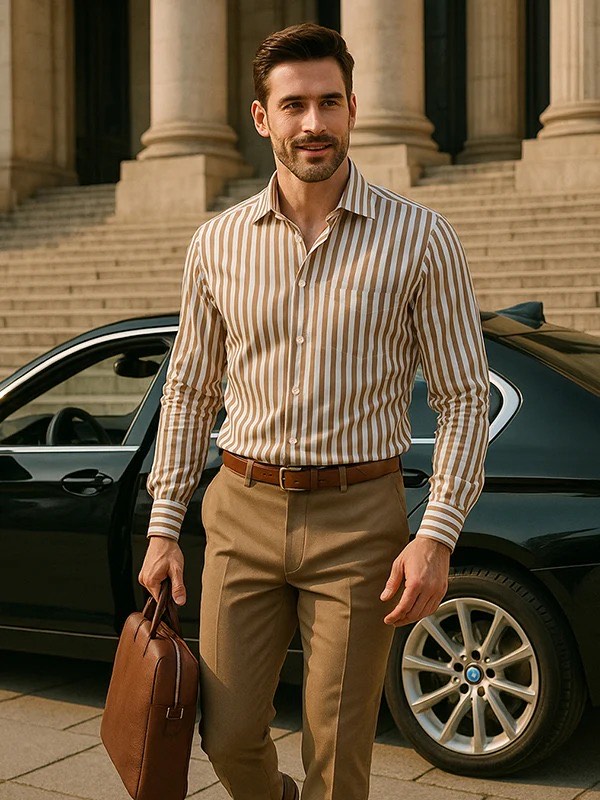
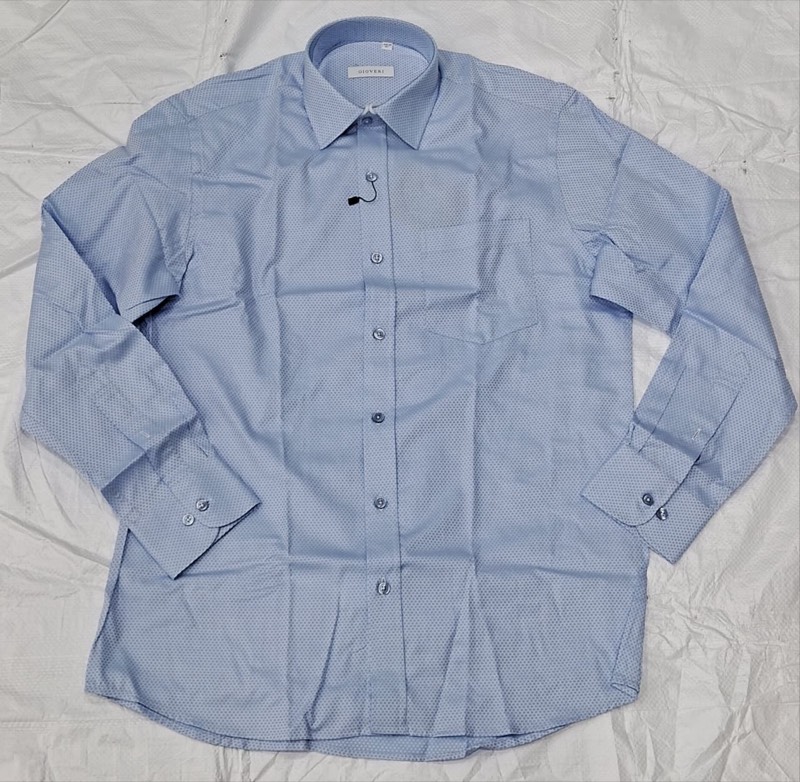
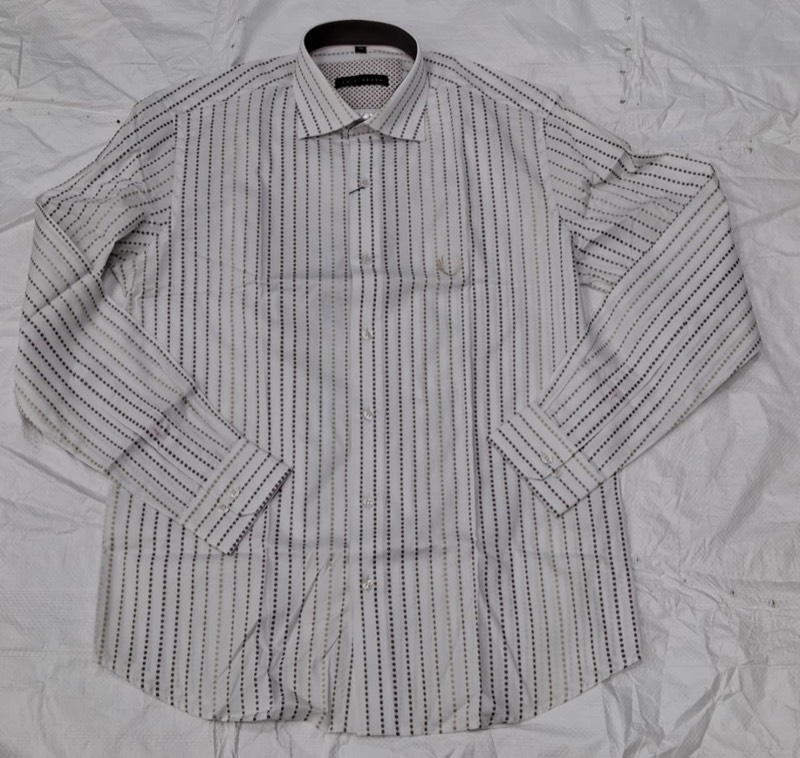
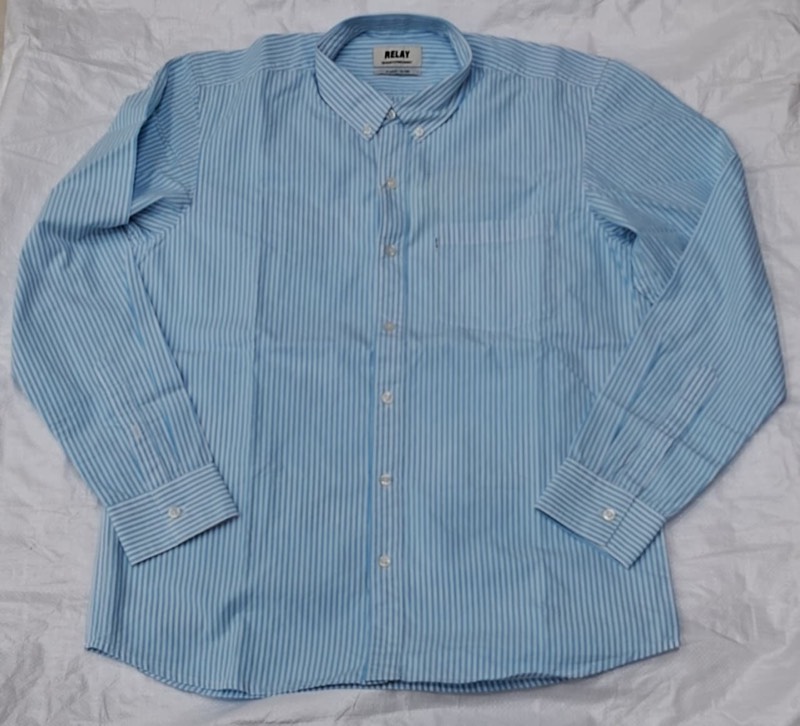
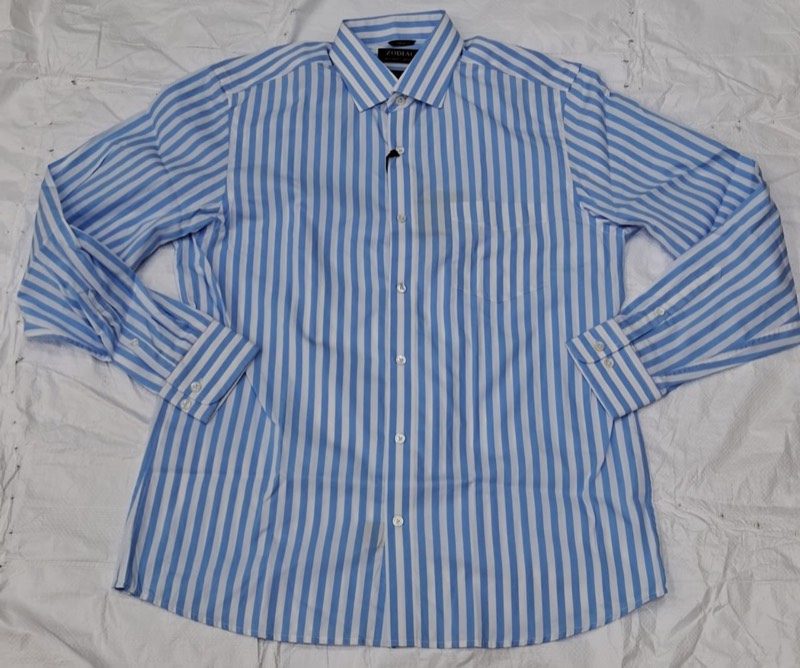
Before a word is spoken, a shirt has already said a great deal. It sits closest to the face, it frames the tie and it is the one garment that stays visible when the jacket comes off. Six decisions shape what it says.
- i.
Colour sets the tone
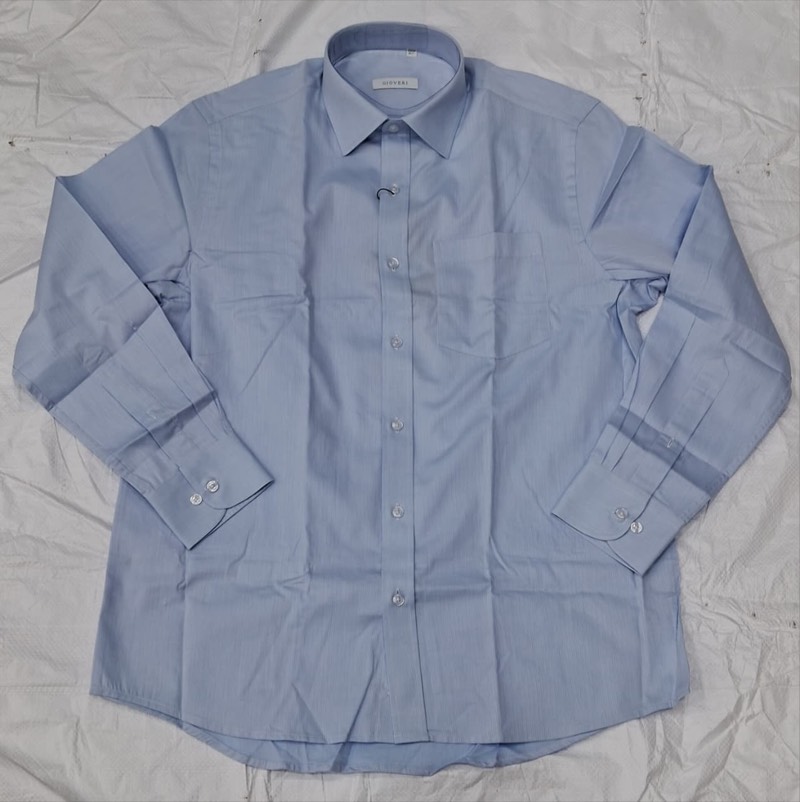
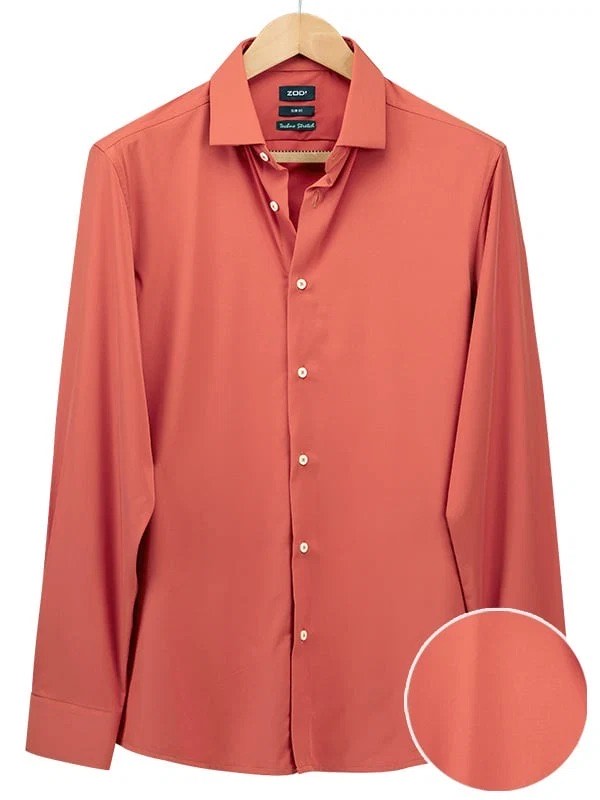
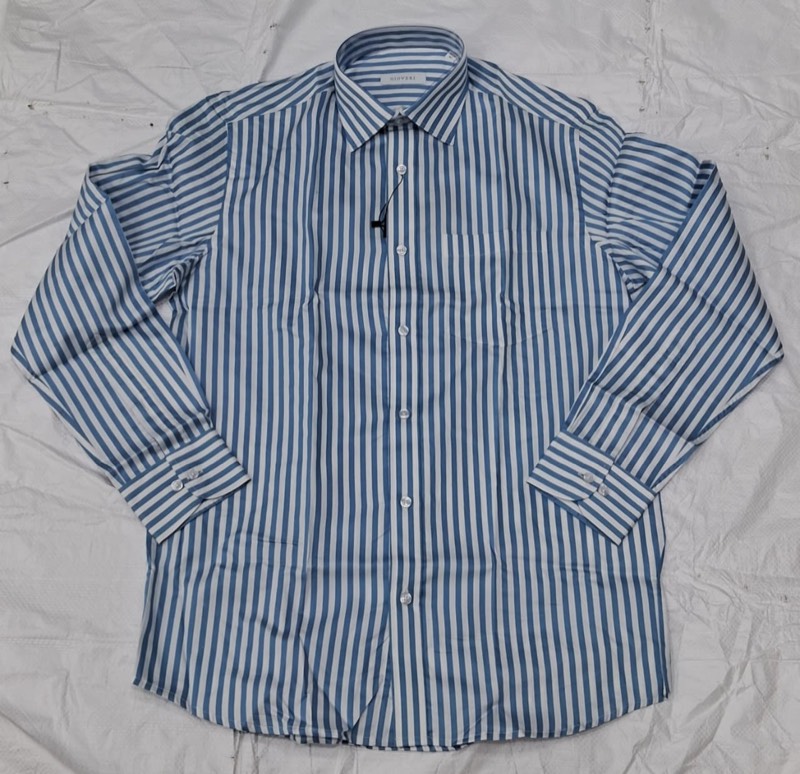
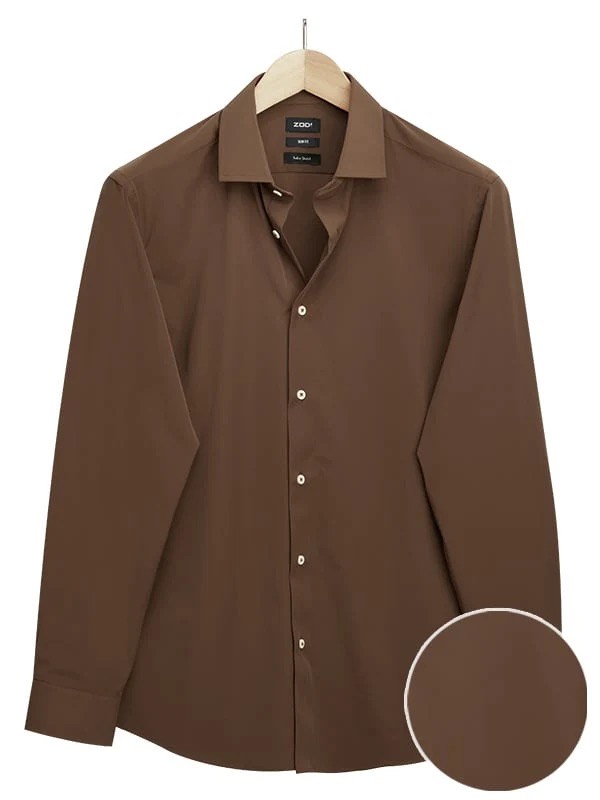
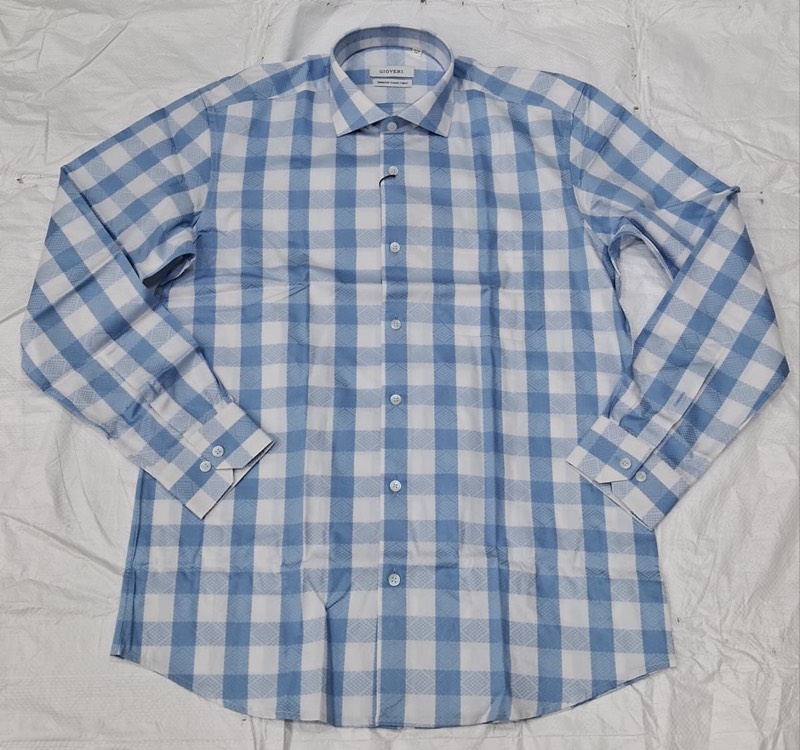
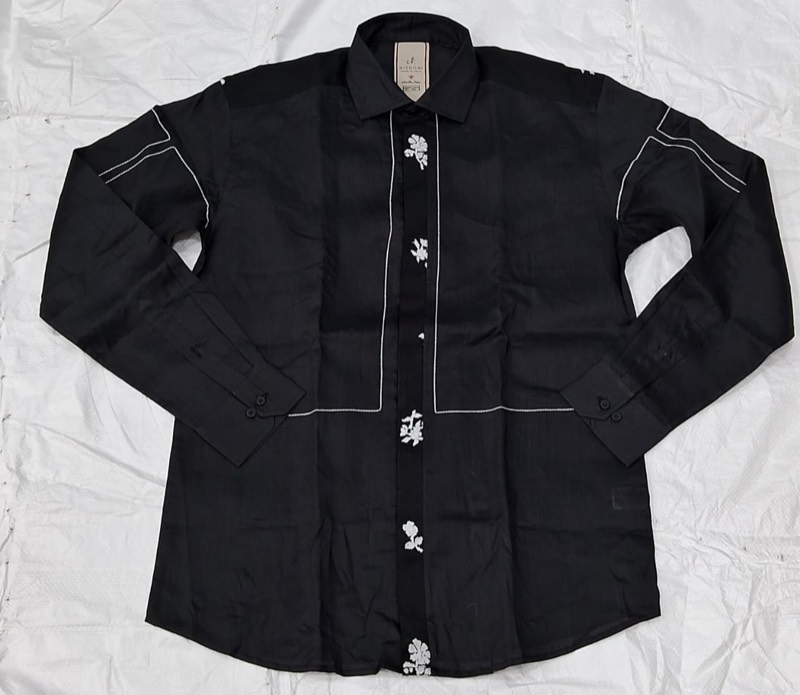
White and pale blue read as composed and dependable; pink and lavender suggest warmth and assurance; deeper tones feel relaxed or evening-appropriate. Choose with your complexion in mind — soft contrast flatters fair skin, while richer contrast suits deeper skin tones.
- ii.
Fit carries authority
A shirt that fits at the shoulder and lies smoothly over the chest looks more expensive than it is. Excess fabric billowing at the waist or buttons straining across the chest undo any cloth, however fine.
- iii.
The collar frames the face
A spread collar widens and balances a narrow face and suits fuller tie knots; a point collar lengthens a round face. The collar should stand neatly under a jacket lapel, never collapse beneath it.
- iv.
Cuffs finish the line
About a centimetre of shirt cuff showing beyond the jacket sleeve gives a deliberate, finished look. Barrel cuffs serve daily wear; French cuffs, closed with cufflinks, belong to formal occasions.
- v.
Fabric decides the impression
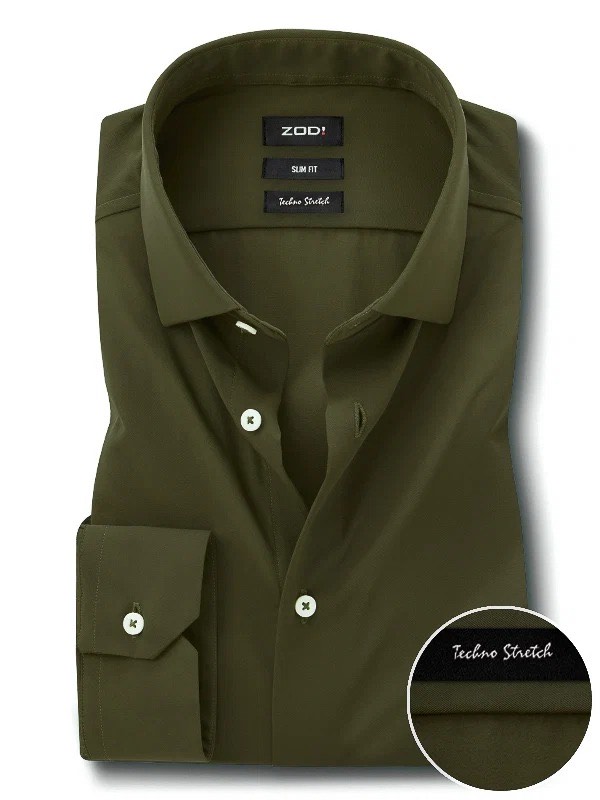
Smooth poplin looks crisp and formal; Oxford and textured weaves feel more relaxed; twill drapes softly and resists creasing. In Mumbai's humidity, breathable cottons keep a shirt looking composed through the day.
- vi.
Styling makes it yours
The same white shirt can be strict with a navy suit and dark tie, or easy with grey trousers and an open collar. Styling is the final, personal sentence in the language of dress.