
Room VI The Cloth Room
VI The Cloth Room
Fabrics, collars & craftsmanship: the details behind a refined shirt
Two shirts can share a colour and a cut and still feel entirely different. The difference lies in the cloth, the collar, the cuff and the quiet work of construction. This room explains each in turn.
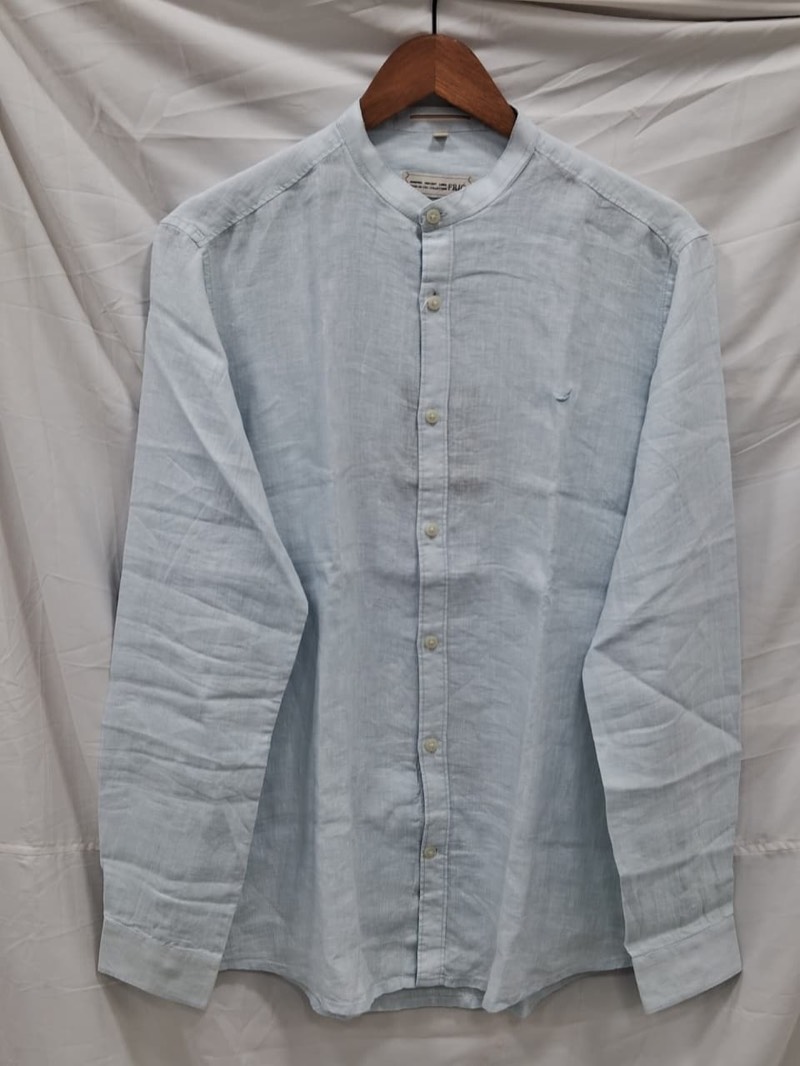
The swatch book
Eight cloths every shirt wearer should know
-
Cotton
The foundation
Most formal shirts are made from cotton: breathable, soft against the skin and comfortable in warm weather. Long, fine fibres produce smoother, stronger yarns; the weave then decides how the cloth looks and behaves.
Best for Year-round, every setting
-
Poplin
Smooth and crisp
A plain weave with a very fine, tight construction that gives a flat, smooth surface and a slight sheen. Poplin looks sharp under a suit and feels light — the classic business cloth.
Best for Office, suits, warm weather
-
Oxford
Soft basket weave
Thicker yarns woven in a basket pattern create a visible, slightly textured surface. Oxford is durable and relaxed, and it is the natural cloth of the button-down collar.
Best for Business-casual, travel
-
Twill
A fine diagonal
Yarns woven in a diagonal rib give twill a soft drape, a subtle sheen and good resistance to creasing. Herringbone is a twill that reverses direction to form a chevron.
Best for Long days, travel, cooler rooms
-
Broadcloth
Dense and fine
A tightly woven plain weave closely related to poplin; the terms are often used interchangeably. Smooth, crisp and minimal — excellent for solid colours and formal dressing.
Best for Formal business, ceremonies
-
Pinpoint Oxford
Refined Oxford
Woven like Oxford but with finer yarns, pinpoint is smoother and dressier while keeping a touch of texture. It sits between Oxford and poplin in formality.
Best for Office, with or without tie
-
Textured weaves
Depth up close
Dobby, end-on-end, seersucker-like crinkles and small woven checks create pattern within the weave itself. From a distance they read as solid; close up, they reveal craft.
Best for Evenings, solid outfits
-
Blended fabrics
Ease of care
Cotton combined with polyester for easy care, or with a small amount of elastane for stretch. Blends can resist wrinkles and move with the body, though pure cotton generally breathes more freely.
Best for Travel, long commutes
Weight, breath, drape, crease and season
The qualities of cloth, up close
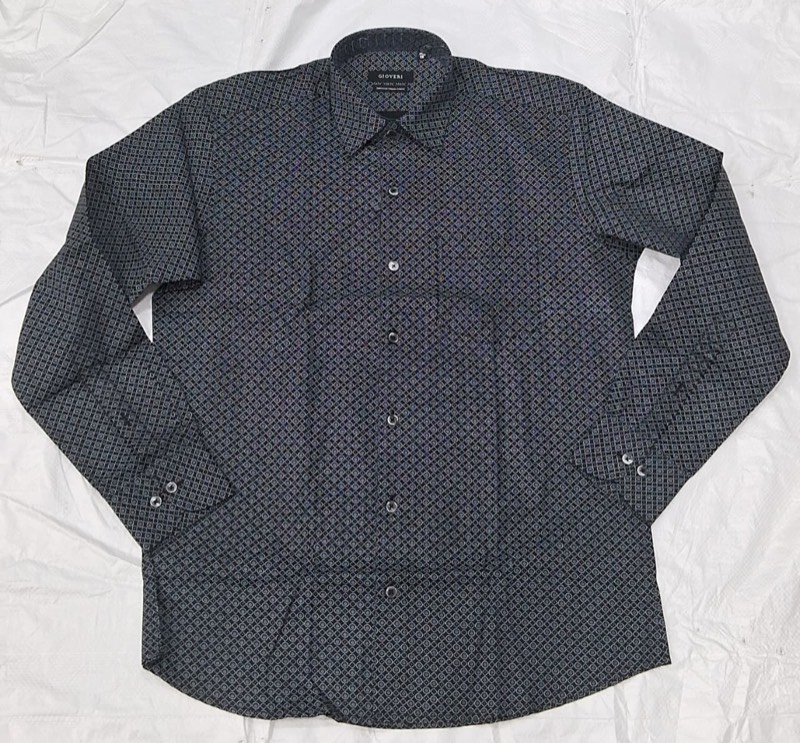
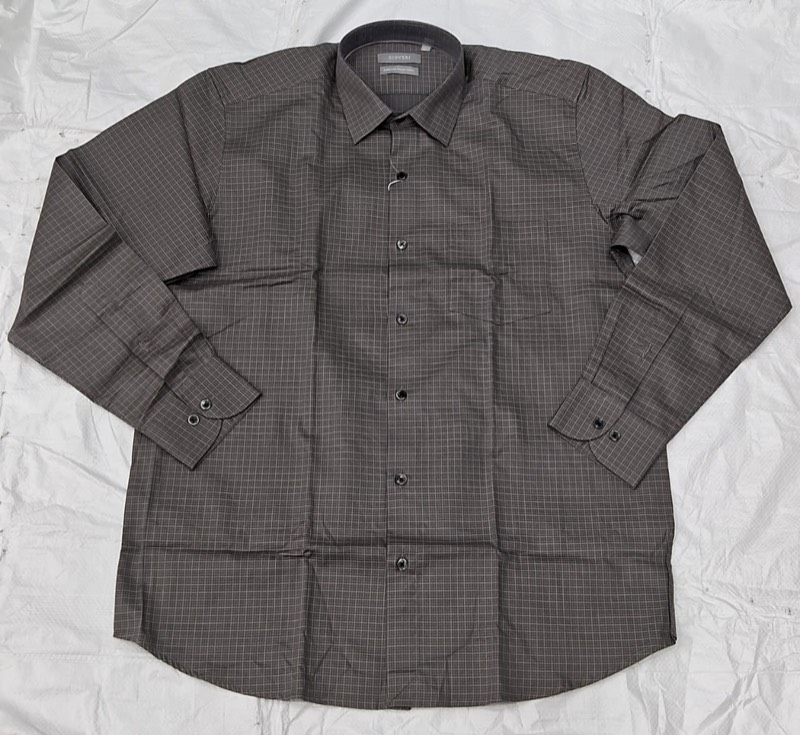
Each close-up below is taken from a shirt in this room, magnified to show its weave.
-
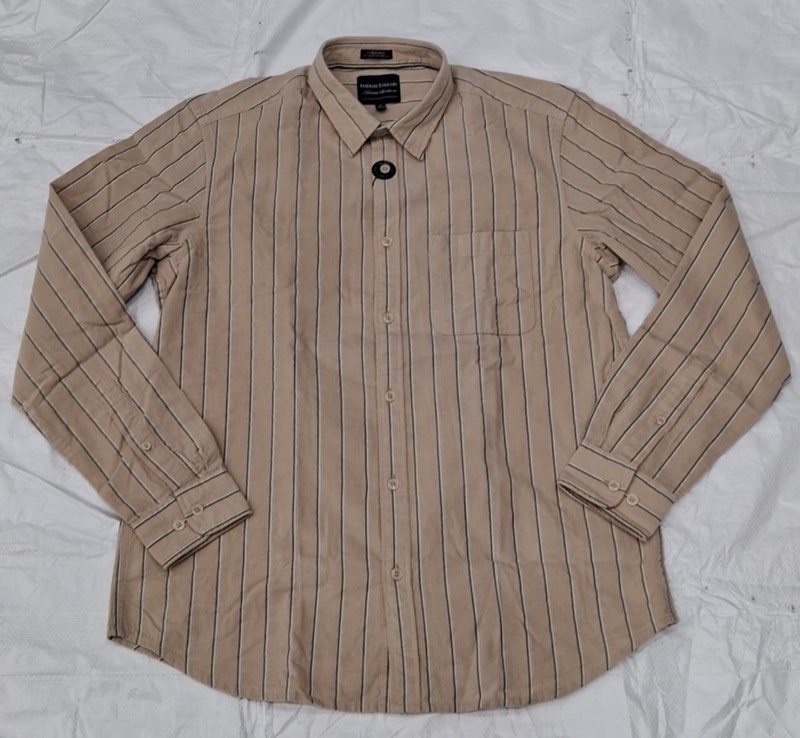
Fabric weight and feel
Lighter cloths feel airy and drape close to the body; heavier cloths feel substantial and hold their shape. Run the fabric between finger and thumb — fine shirting feels dense and smooth rather than thin or papery.
-
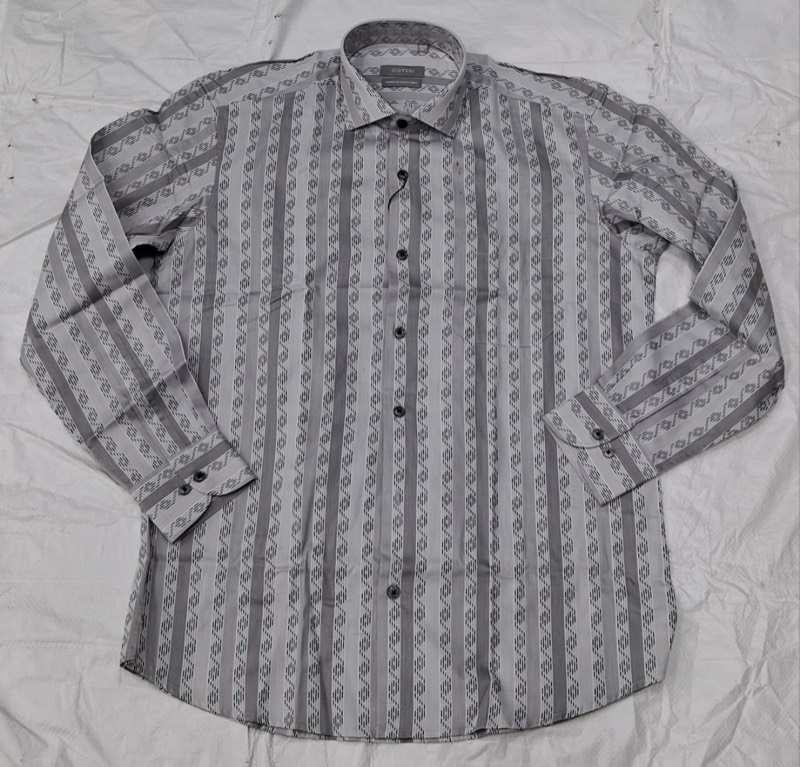
Breathability
Natural fibres and open weaves let air and moisture pass through. In Mumbai's humidity, lightweight cotton poplin, fine twill and airy textured weaves keep you more comfortable than dense synthetic blends.
-
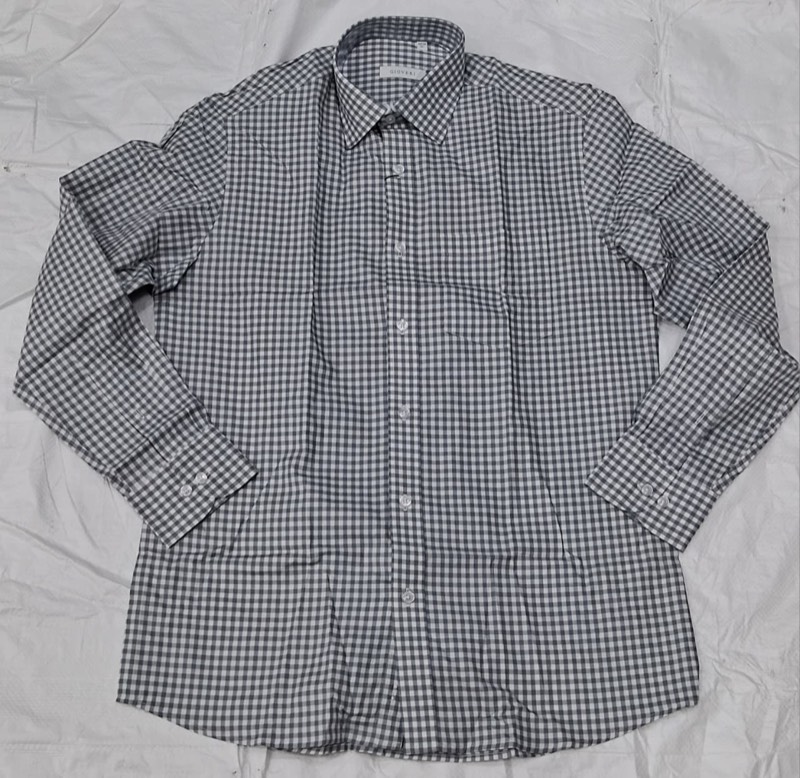
Fabric drape
Drape is how the cloth falls. Twills and finer yarns hang softly and follow the body; crisp poplins stand slightly away from it. Good drape keeps a shirt neat as you move.
-
Wrinkle characteristics
Plain weaves show creases more readily; twills and textured weaves disguise them. Easy-care finishes and blends reduce creasing but can feel less breathable.
-
Seasonal considerations
In hot, humid months reach for light poplin and airy weaves; in the cooler months and in heavily air-conditioned offices, twill, Oxford and heavier cottons feel more comfortable. During the monsoon, quick-drying, crease-resistant cloths travel best.
The collar section
Six collars, drawn
The angle between the collar points — the spread — is the single biggest variable. The dotted line in each drawing shows the distance between the points.
-
i.
Point collar
Narrow-set points that create a strong vertical line. Traditional and businesslike; best with slimmer ties and smaller knots, and flattering for rounder faces.
-
ii.
Classic collar
A moderate, balanced collar with medium-length points — the everyday business collar found on most formal shirts, at home with or without a tie.
-
iii.
Semi-spread collar
Slightly wider than a point collar. Its balance suits almost every face shape and tie knot, making it the most versatile choice.
-
iv.
Spread collar
Points angled wider apart to frame fuller knots such as the half-Windsor. Confident with a suit and neat when worn open.
-
v.
Cutaway collar
The widest spread, with points swept back towards the shoulders. A bold, contemporary statement for formal and evening dressing.
-
vi.
Button-down collar
Points fastened to the shirt by small buttons, creating a soft roll. Associated with sport in its origins, it is the most relaxed collar here.
The cuff section
At the end of the sleeve
Terminology varies: "French cuff" and "double cuff" are often used for the same fold-back style, while "barrel" and "button" cuffs both describe cuffs that fasten with buttons. The distinctions below are the useful ones.
Barrel cuffs
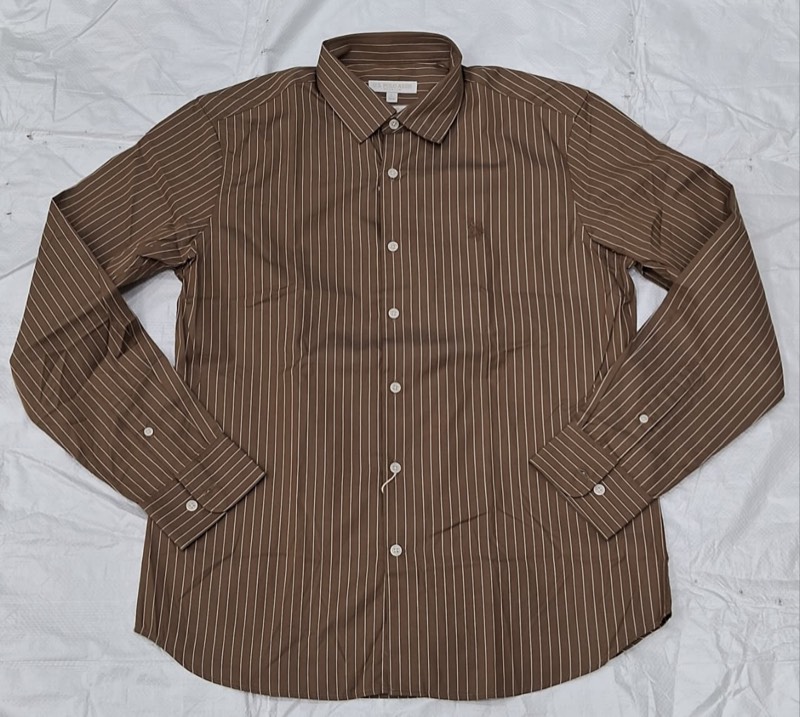
A single band that wraps the wrist and closes with one button. Simple, comfortable and the everyday standard on formal shirts.
Button cuffs
Buttoned cuffs with two buttons, or with mitred (angled) corners, allow a slightly adjustable fit and a dressier look while remaining practical.
French cuffs
An extended cuff folded back on itself and fastened with cufflinks. The most formal cuff, suited to suits, ceremonies and evening events.
Double cuffs
The British name for the fold-back, cufflink-fastened cuff. Some makers cut it deeper, giving a more substantial fold at the wrist.
The construction section
The quiet work of construction
- 01Shirt plackets
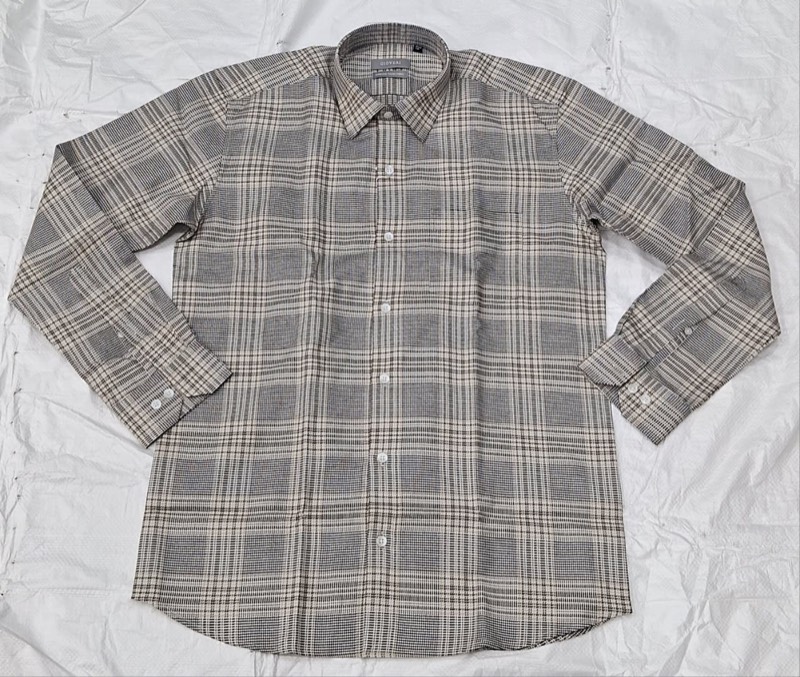
- The front placket carries the buttonholes. It should be straight and flat; a ripple between buttons suggests uneven stitching or interlining.
- 02Buttons
- Look for firmly sewn buttons, neatly bound buttonholes and even spacing. A spare button sewn inside the shirt is a thoughtful detail.
- 03Stitching
- Fine, closely spaced, even stitches signal careful construction and give seams strength without bulk.
- 04Seams
- Flat-felled seams — folded and stitched twice — are neat on both sides and durable. Side seams should run straight down without twisting.
- 05Yokes
- The yoke spans the shoulders. A split yoke, cut in two pieces, follows the shoulder line more closely; on striped shirts it can create a subtle chevron.
- 06Pockets
- A chest pocket should be squared neatly and, on patterned shirts, matched to the stripe or check of the body.
- 07Hems
- A curved shirttail, longer at the back, keeps the shirt tucked. The hem should be narrow, even and flat.
- 08Finishing details
- Collar stays, side gussets at the hem, pattern matching across seams and clean interior finishing all reveal a carefully made shirt.
Read more in The Importance of Shirt Fabric and Construction.