
Why White Formal Shirts Remain a Wardrobe Essential
Why the white formal shirt is still the most versatile shirt a man can own, and how to choose and wear one well.
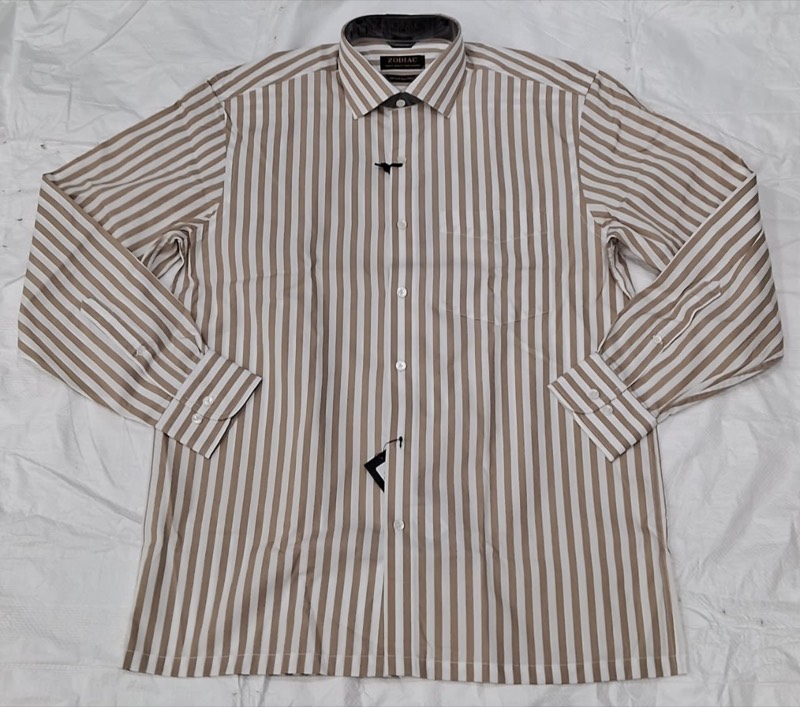
If a man could own only one formal shirt, most people who think seriously about clothes would tell him to make it white. That advice is not nostalgia. A white shirt does more jobs than any other single garment in men's office wear, and it does them with very little effort from the wearer. Understanding why it works so well, and how to choose and keep a good one, makes it one of the most useful purchases in any wardrobe.
Why white works so well
The appeal of white is partly historical. For a long time, a clean white shirt signalled that a man could afford laundry and did not do dirty work, and that sense of crispness and formality has never quite left it. But there are also plain visual reasons why it remains so reliable.
It is neutral. White sits comfortably beside every suit and trouser colour, from black and charcoal to navy, grey, brown and beige. You never have to wonder whether it clashes.
It frames the face. A white collar reflects light upward and creates a clean border between the face and whatever is worn below. That is why it photographs well and looks sharp across a meeting table.
It lets other things speak. A tie, a pocket square or a well-cut jacket stands out more clearly against white than against a coloured or patterned shirt. White gives you a blank canvas.
It reads as formal without trying. Among men's formal shirts, white sits at the top of the formality scale. Put on a white shirt and dark trousers and you are already appropriately dressed for most serious settings.
The occasions where white earns its place
There are days when a white shirt is not merely a good option but the obvious one. Job interviews are the clearest example. When you want the interviewer to remember what you said rather than what you wore, white removes a distraction. The same is true of important client presentations, board meetings, court appearances and formal ceremonies.
White is equally at home at celebrations. At a wedding reception, an evening dinner or an office awards night, a white shirt under a dark suit is correct and timeless, and it pairs easily with a bolder tie if the mood calls for colour. Our guide to shirts for events, dinners and interviews covers how to adjust the rest of the outfit for each kind of occasion.
Not all whites are the same
Once you start looking closely, "white shirt" turns out to cover a surprising range. The differences are subtle on a hanger but noticeable when worn.
Shade
Bright, optical white is the crispest and most formal. Softer whites, sometimes described as off-white or ivory, look slightly warmer and can be gentler next to some complexions, though they can appear faintly dingy beside a bright white in the same room. For a first white shirt, a clean, true white is the safest choice.
Weave
The weave changes both appearance and behaviour.
- Poplin is smooth, fine and cool, with a clean, flat surface. It is the classic choice for a dressy white shirt and a good option for hot weather.
- Twill has a faint diagonal texture and a slight sheen. It tends to drape well and resist creasing a little better than poplin, which helps on a long day.
- Oxford is heavier and more textured, with a slightly casual character. A white oxford, especially with a button-down collar, sits closer to business casual.
- Textured whites, such as herringbone or small dobby weaves, add visual interest while staying white, which is useful if you want a formal shirt that does not look plain.
If you want to go further into how these cloths differ, our page on fabrics, collars and craftsmanship explains weaves and construction in more depth.
Fit, transparency and what goes underneath
White is less forgiving than darker colours in two ways. First, it shows the shape of the body more clearly, so poor fit is more obvious. Billowing fabric at the waist or a collar that gapes will catch the eye on a white shirt in a way it might not on a navy check. Whether you prefer slim-fit or regular-fit formal shirts, make sure the shirt follows your shape without pulling at the buttons.
Second, thin white cotton can be slightly see-through, particularly in bright light. This is where many men go wrong with what they wear underneath. A bright white vest often shows through a white shirt more than you might expect, because it creates a visible contrast with the skin. A vest close to your skin tone, or a lightweight one in a light grey, is usually much less visible. In Mumbai's heat, some men prefer no undershirt at all; if you do, a slightly heavier or more opaque weave helps.
Five dependable white shirt combinations
Because white goes with everything, the risk is not clashing but looking flat. These combinations each give it a slightly different character.
- Navy suit, white shirt, burgundy tie, black or dark brown shoes. The classic interview and presentation outfit. Serious, clear and hard to fault.
- Charcoal trousers, white shirt, no tie, black belt and shoes. A clean office look for a regular working day, especially in an air-conditioned office where a jacket is not required.
- Black suit, white spread-collar shirt, silver-grey or black tie. Suited to evening events and formal functions where a sharper, more ceremonial look is wanted.
- Beige or stone trousers, white shirt, brown belt and loafers. A lighter, warmer combination that works for daytime gatherings and the more relaxed end of business dressing.
- Mid-grey suit, white shirt, navy knitted or textured tie. Calm and modern, useful when you want to look smart without appearing overly formal.
For more on how to balance shirts, ties, trousers and shoes, the gentleman's style guide sets out the principles behind combinations like these.
Keeping white shirts white in a humid city
The one real drawback of white is upkeep. Collars and underarms are where problems start: sweat, skin oils and city grime gradually build up and turn into yellowing or a grey ring that is hard to shift once it has set. In a humid climate and on a long commute, that build-up happens quickly.
A few habits make a large difference.
- Wash white shirts soon after wearing rather than leaving them in a laundry basket for days.
- Pay particular attention to the inside of the collar and the cuffs, working a little detergent into them before washing.
- Wash whites separately from colours, so they do not pick up a faint tint over time.
- Dry them properly, ideally in fresh air, as shirts that stay damp during the monsoon can develop a musty smell.
- Rotate several white shirts rather than wearing one over and over, which spreads the wear and gives each shirt time between washes.
We cover washing, ironing and storage in more detail in our article on how to care for formal shirts.
When white is not the best choice
White is essential, but it is not always ideal. On a hot day spent outdoors or on a dusty commute, it will show marks faster than pale blue. In very relaxed settings, a crisp white formal shirt can look a little stiff. And if you wear the same white shirt to every event, it can start to feel like a uniform. This is where a pale blue shirt becomes white's natural partner; we explore its role in understanding blue shirts in professional dressing.
Still, if you are building or rebuilding a set of business shirts, start with white. Two or three good white formal shirts, kept clean and well pressed, will carry you through interviews, important meetings, weddings and ordinary office days alike. If you would like to compare weaves and fits in person, visit Options Mall in Vile Parle West and try a few side by side.
The Modern Gentleman's Journal · Options Mall, Vile Parle West, Mumbai