Room IV The Directory
IV The Directory
The shirt style directory
Discover the different expressions of formal shirting. Fourteen entries are filed by fit, pattern, collar and character, each with its visual characteristics, styling applications and a formality rating.
Formality is rated from one (relaxed) to five (most formal). It is a guide, not a rule.
-
01
character
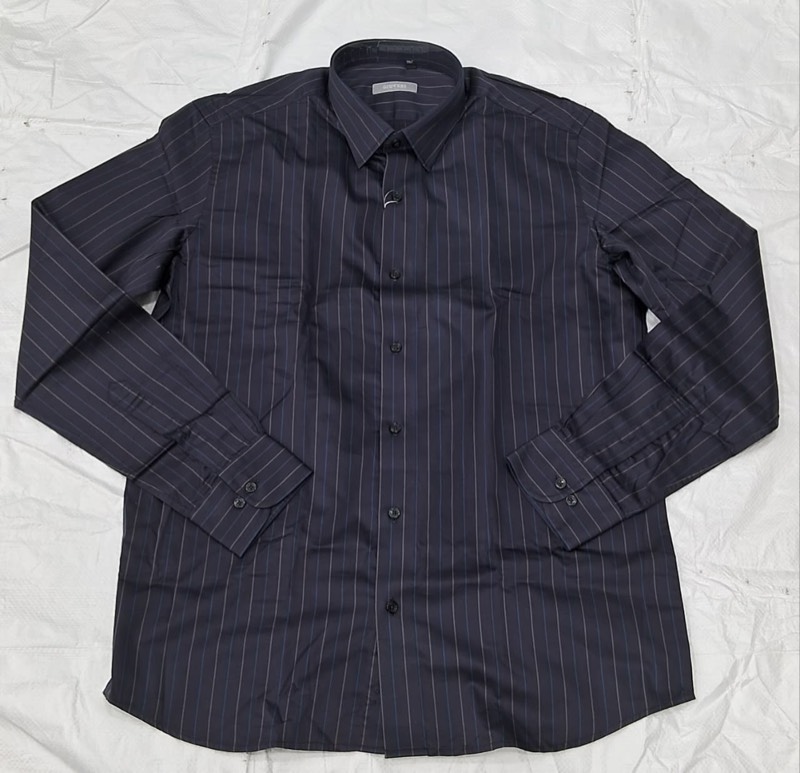
Classic formal shirts
Restrained and timeless: a point or semi-spread collar, front placket, barrel cuffs and a smooth cloth in white, blue or a quiet tonal pattern. Nothing is exaggerated.
- Styling
- The default under any suit; reliable for interviews, ceremonies and traditional offices.
- Best for
- Suits, ties, formal business
- Formality
-
02
character
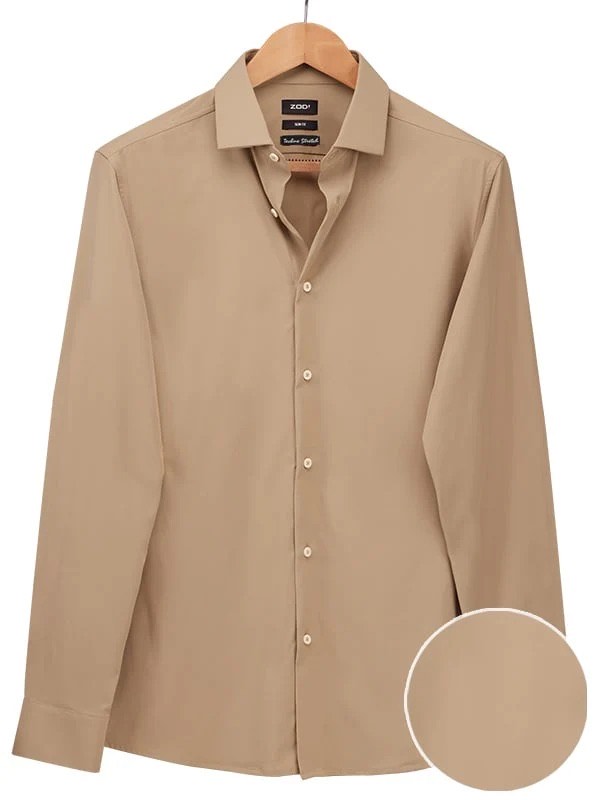
Contemporary formal shirts
Modern colours such as sand, coral and sage; sharper or wider collars; closer cuts and fabrics with a little stretch for comfort.
- Styling
- Contemporary offices, evening events and smart dressing without a tie.
- Best for
- Modern offices, events
- Formality
-
03
fit
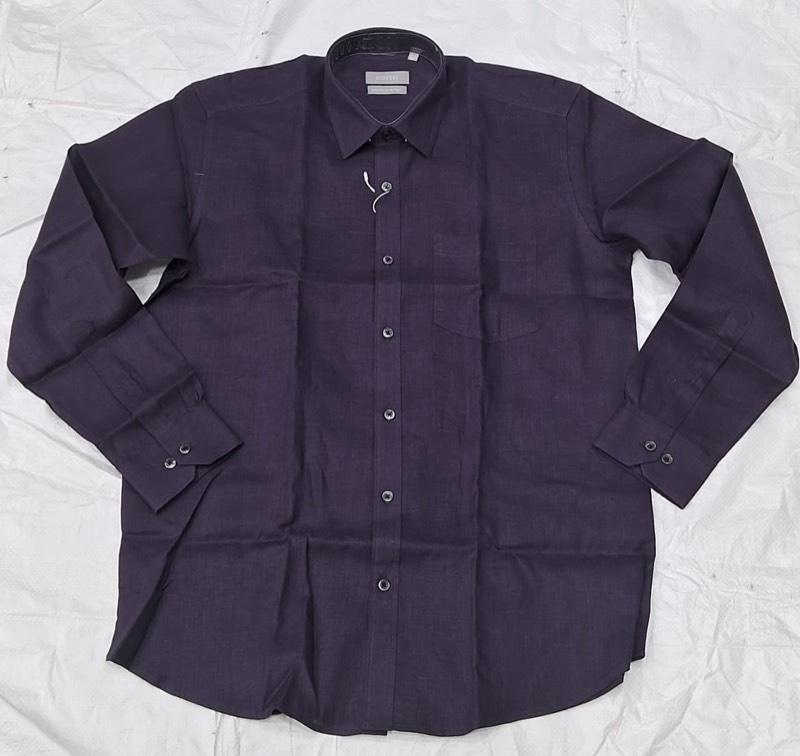
Slim-fit formal shirts
Shaped through the chest and waist with a higher armhole and narrower sleeve, giving a clean, close line — especially visible without a jacket.
- Styling
- Slimmer frames; slim-cut suits; occasions where the shirt is seen on its own.
- Best for
- Lean builds, modern suits
- Formality
-
04
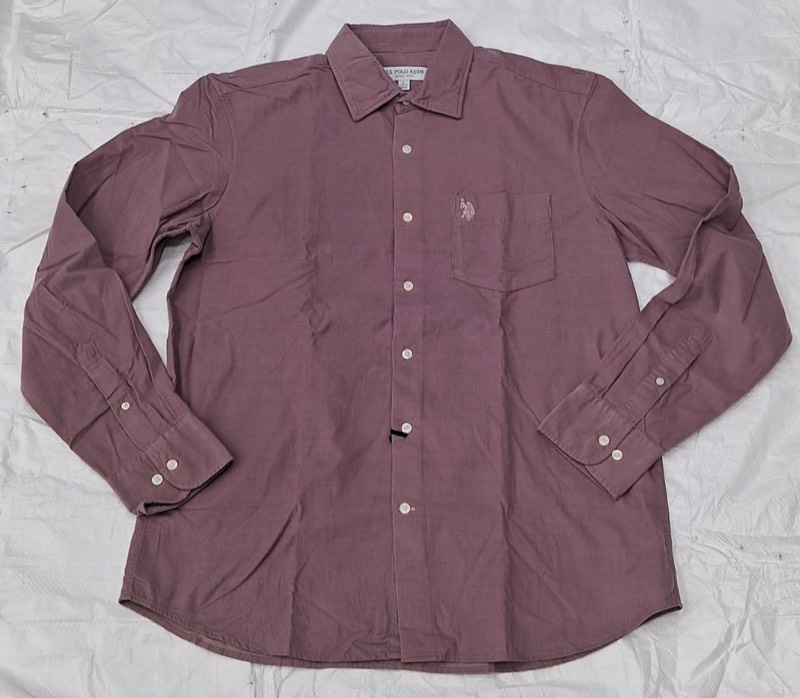
fit
Regular-fit formal shirts
A straighter cut from chest to hem with fuller sleeves and more ease across the back — designed for comfort and freedom of movement.
- Styling
- Long working days, broader builds, traditional suits with fuller cuts.
- Best for
- Comfort, broader builds
- Formality
-
05
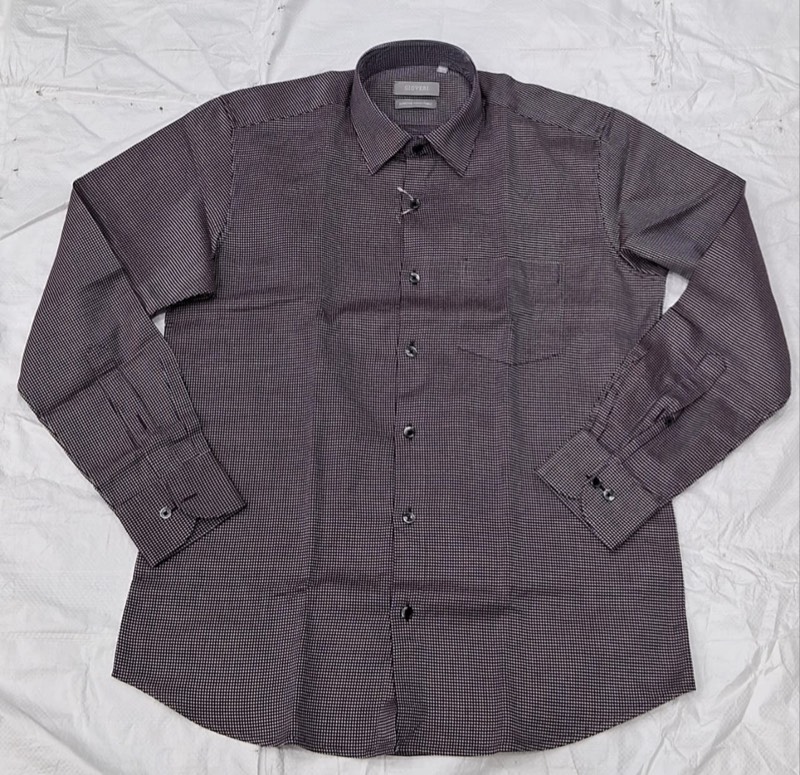
fit
Tailored-fit shirts
The middle path: some waist shaping and a trimmer sleeve without the closeness of slim fit. Neat under a jacket and composed without one.
- Styling
- Most body types; an excellent first choice if you are unsure.
- Best for
- Most builds and settings
- Formality
-
06
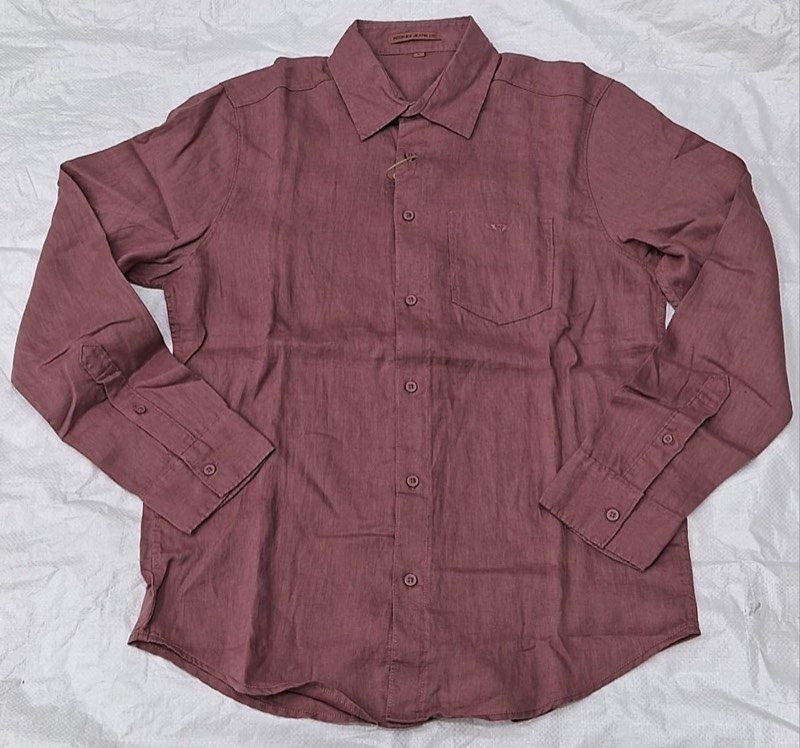
character
Minimal formal shirts
Clean lines and quiet surfaces: solid colour, small flat buttons, sometimes a plain front or concealed placket. The shirt recedes so the wearer stands out.
- Styling
- Modern suits, evening wear, and anyone who prefers understatement.
- Best for
- Understated, modern
- Formality
-
07
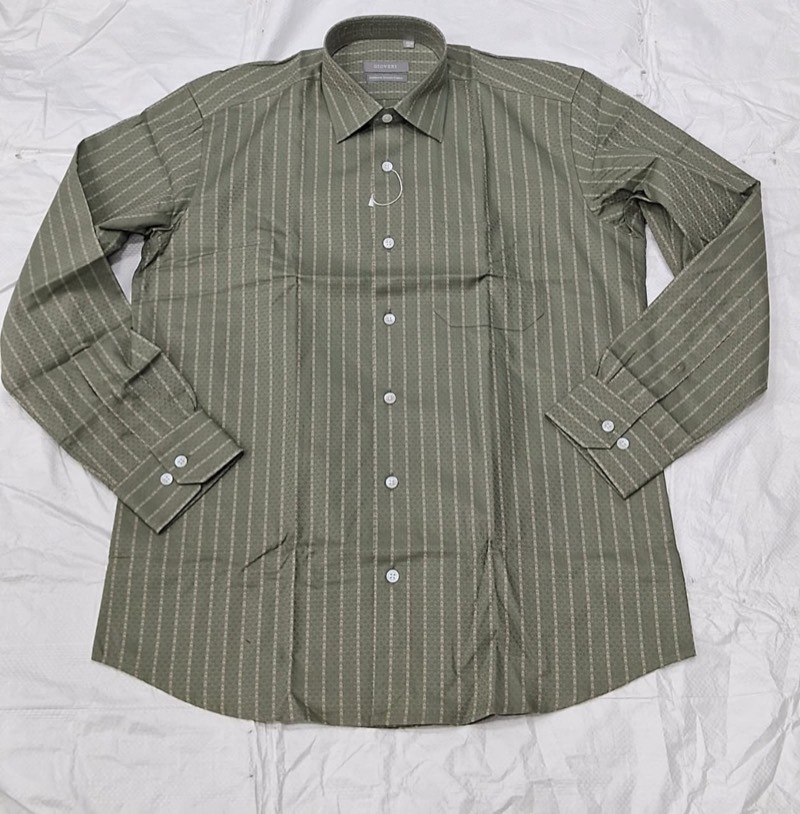
pattern
Striped formal shirts
Hairline, pencil and Bengal stripes running vertically. Finer, closer stripes read as more formal; wider, bolder ones feel energetic.
- Styling
- Daily business, presentations and plain suits; pair with solid ties.
- Best for
- Business, plain suits
- Formality
-
08
pattern
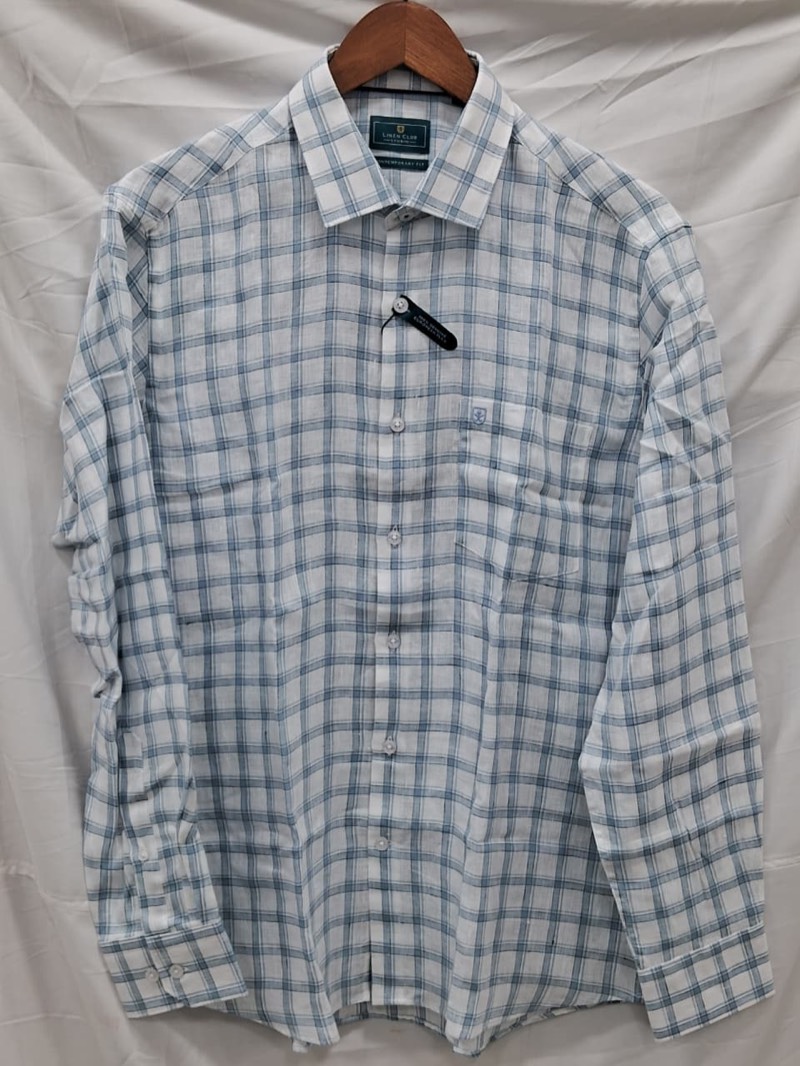
Checked formal shirts
Gingham, windowpane, tattersall and micro-checks. Small scales and soft colours keep a check firmly in formal territory.
- Styling
- Business days, plain navy and grey suits, smart dressing without a tie.
- Best for
- Business, smart-casual
- Formality
-
09
pattern
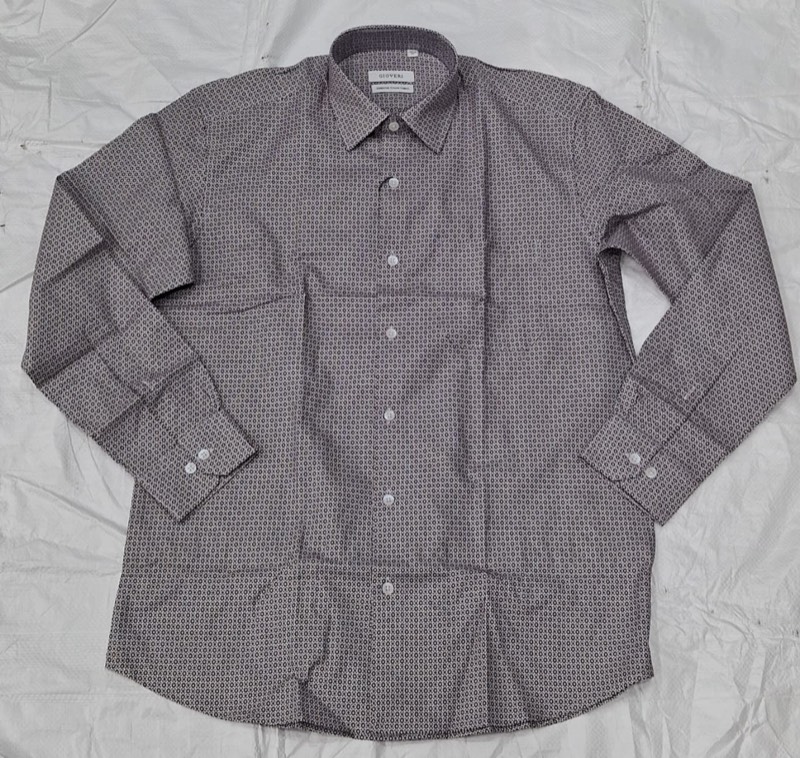
Textured formal shirts
Dobby, herringbone, twill and small woven checks: patterns built into the weave rather than printed, visible only up close.
- Styling
- Adds depth to solid outfits; excellent for evenings and photography.
- Best for
- Depth without colour
- Formality
-
10
pattern
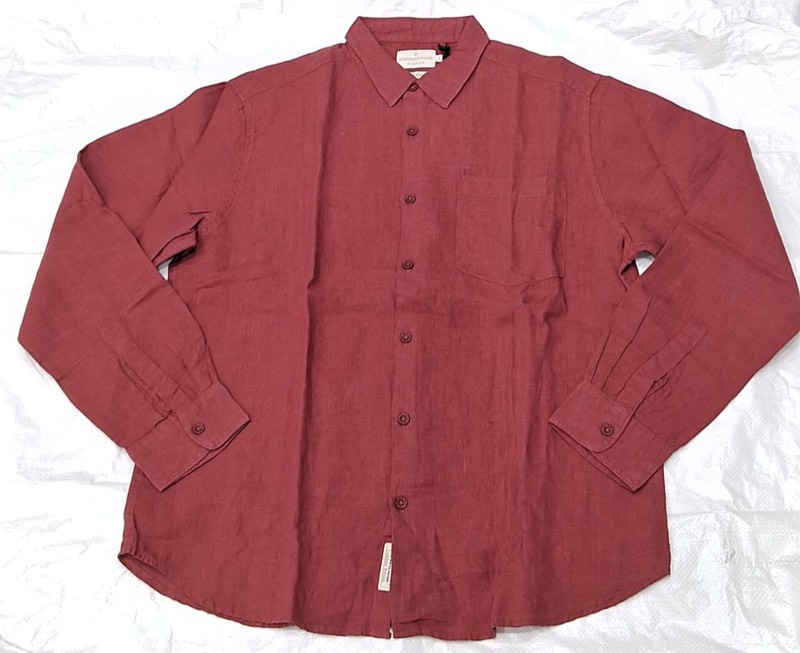
Solid-colour shirts
One colour, edge to edge. The most formal version of any colour and the easiest to coordinate with patterned ties and jackets.
- Styling
- Everything from boardroom to dinner, depending on the colour.
- Best for
- The easiest to coordinate
- Formality
-
11
collar
Button-down collar shirts
Collar points fastened to the shirt front with small buttons, giving a soft roll. Originally adapted from sport, it is the least formal collar.
- Styling
- Business-casual, blazers and chinos; usually worn without a tie or with a knit tie.
- Best for
- Business-casual
- Formality
-
12
collar
Spread-collar shirts
Points angled wider apart, leaving room for fuller tie knots and framing the face. Looks confident open-necked or with a tie.
- Styling
- Suits, broader faces, larger knots; works with or without a tie.
- Best for
- Suits, with or without tie
- Formality
-
13
collar
Cutaway-collar shirts
The widest spread, with points swept back towards the shoulders. Bold, contemporary and distinctly formal.
- Styling
- Statement suits and evening dress; pairs with substantial tie knots.
- Best for
- Statement formal
- Formality
-
14
collar
Point-collar shirts
Narrow-set, longer points that create a strong vertical line beneath the chin. The traditional business collar.
- Styling
- Narrow ties and smaller knots; flattering for rounder faces.
- Best for
- Traditional business
- Formality
Reading the directory together
Every formal shirt is a combination of entries: a fit, a pattern, a collar and a character. A tailored, solid white, semi-spread classic is the most dependable shirt in menswear. A slim, finely striped, cutaway contemporary is a confident evening choice. A regular-fit, checked button-down is a relaxed Friday in the office.
Start with fit, because it is personal; choose the collar for your face and the tie you will wear; then decide how much pattern and character the occasion can carry. For the finer points, continue to the perfect fit or fabrics, collars and craftsmanship, or read how to choose the right formal shirt collar.