
The Importance of Shirt Fabric and Construction
Weaves, yarns, stitching and seams: what shirt fabric and construction mean for comfort, appearance and longevity.
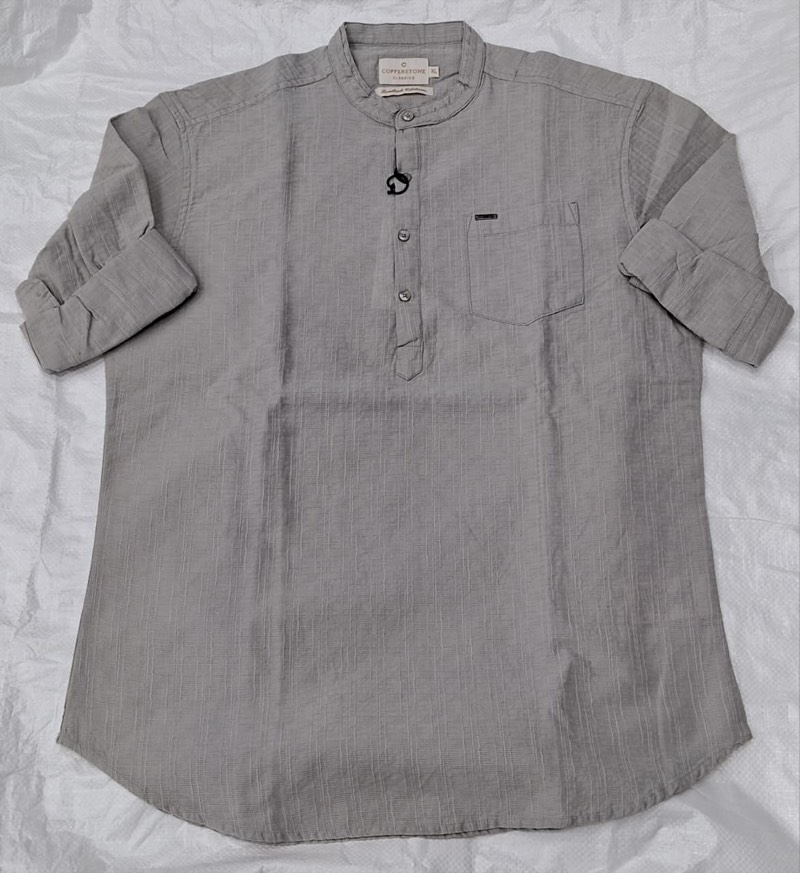
Two shirts can share the same colour, collar and fit and still feel like entirely different garments once you wear them through a working day. The difference lies in what they are made of and how they are put together. Fabric decides how a shirt breathes, drapes and creases; construction decides how it holds its shape after months of washing. Learning to read both is the most reliable way to tell a shirt that will last from one that only looks good on the hanger.
Start with the fibre
Almost every good formal shirt begins with cotton, and for sound reasons. Cotton absorbs moisture, lets air pass through, takes dye well and softens with washing. In a climate like Mumbai's, where you might move from humid streets to a chilled conference room and back again several times a day, a breathable fibre makes a real difference to comfort.
Not all cotton is equal, however. The length of the individual fibre, known as the staple, matters a great deal. Longer-staple cottons, such as those traditionally grown in Egypt or the varieties marketed as Pima or Supima, can be spun into finer, smoother and stronger yarns. Shirts woven from them tend to feel softer, show a subtle sheen and pill less. Shorter-staple cotton is perfectly serviceable but usually feels coarser and wears out sooner.
Linen. Made from flax, linen is cool, quick-drying and excellent in heat, but it creases readily. A pure linen shirt is better suited to relaxed occasions than to a boardroom, though cotton-linen blends offer a useful middle ground for summer office wear.
Polyester-cotton blends. Synthetic blends and easy-care finishes spread in the mid-twentieth century because they resist creasing and dry quickly. The trade-off is breathability: a high proportion of polyester can trap heat and moisture against the skin, which becomes noticeable on a long, humid commute. Blends can be practical for travel, but in hot weather a high cotton content is usually more comfortable.
Easy-care or non-iron cotton. These are cotton shirts treated with a finish that helps them resist wrinkles. They save time and look tidy straight from the wash, though the finish can make the fabric feel slightly less soft and a little less breathable than untreated cotton.
Understanding weaves
The same cotton yarn can be woven in many ways, and the weave affects texture, appearance, formality and comfort. The fabrics, collars and craftsmanship page covers the full range; these are the ones you will meet most often in men's formal shirts.
- Poplin (or broadcloth): a plain, tightly woven, smooth fabric with a crisp, clean look. It is light, cool and very formal, which makes it a staple for business shirts. It can crease fairly easily.
- Twill: woven to create fine diagonal lines. It drapes well, feels slightly heavier and resists creases better than poplin, which makes it a good choice for long days and travel.
- Oxford: a heavier, textured basket weave with a soft, slightly casual character. It is the classic partner to the button-down collar and suits business-casual offices.
- Pinpoint oxford: a finer, smoother version of oxford that sits between poplin and oxford in formality. It works with or without a tie.
- Royal oxford: a more refined, lustrous basket weave that often shows a subtle pattern. It is dressy enough for formal occasions while keeping some texture.
- End-on-end: woven with a coloured yarn and a white yarn alternating, producing a faint, mottled texture from a distance. It is light and breathable, a good warm-weather choice.
- Herringbone and dobby weaves: self-patterned weaves that add texture without colour.
Yarn, thread count and weight
Shirt fabrics are often described by yarn count and ply. A higher yarn count indicates a finer yarn, which generally produces a smoother, silkier and lighter cloth. Two-ply (or two-fold) means that two yarns have been twisted together before weaving, which adds strength and durability.
It is tempting to assume that higher numbers always mean a better shirt, but that is not quite true. Very fine fabrics are luxurious but more delicate and may crease more readily. For everyday office wear shirts for men, a well-made fabric with a moderate count and two-ply construction often offers the best balance of comfort, appearance and longevity. Weight matters too: a lighter cloth suits Mumbai's heat, while a slightly heavier twill can feel more substantial in an air-conditioned office or during the cooler months.
The construction details that matter
Good fabric can be undone by poor construction, and a modest fabric can be made into a very good shirt with care. Price alone is not a reliable guide; these are the details worth noticing.
Stitching
Look at the seams along the sides and sleeves. Neat, dense, even stitching that lies flat is a sign of care. Single-needle tailoring, in which each side of a seam is sewn separately, produces a clean, flat seam that tends to pucker less after washing. Loose threads or puckered seams are warning signs.
The yoke
The yoke is the panel across the top of the back, joining the shoulders. Some shirts have a split yoke, made in two pieces joined at the centre. This allows the fabric's grain to run at an angle over each shoulder, which helps the shirt fit more naturally, and it was traditionally a feature of more carefully made shirts. On striped shirts, a split yoke also creates a neat chevron at the centre seam.
Pattern matching
On striped or checked shirts, check whether the pattern lines up where pieces meet: at the yoke, the pocket, the sleeve and the front placket. Matching takes more fabric and more time, so it is a reliable indicator that a maker has taken trouble.
Collars and cuffs
Collars and cuffs carry an interlining that gives them structure. Fused interlinings are bonded to the fabric and stay crisp with little effort; non-fused interlinings give a softer, more natural shape. Both are valid, but on either type the collar points should be symmetrical, and the collar should not bubble or ripple after washing. Cuffs should sit evenly, with buttonholes cleanly finished.
Buttons and buttonholes
Buttons should be sewn on securely, ideally with a little shank of thread so they sit comfortably through the buttonhole. Thicker buttons, whether mother-of-pearl or a quality substitute, tend to feel more substantial than thin plastic ones. Buttonholes should be tightly stitched, with no fraying edges. A button on the sleeve placket, sometimes called a gauntlet button, keeps the opening above the cuff closed.
How fabric and construction affect fit
Fabric and fit are closely linked. A stiff, heavy fabric can make a slim-fit formal shirt feel restrictive, while a fabric with a little natural give or a soft drape can make the same cut much more comfortable. Conversely, a very fine, lightweight fabric in a regular-fit formal shirt can billow and look loose. When trying on shirts, pay attention to how the cloth moves as well as how the cut sits. The shirt fit guide explains how to judge shoulders, chest and sleeves.
A step-by-step check when buying a shirt
- Feel the fabric. Rub it gently between your fingers. It should feel smooth and substantial, not thin or plasticky.
- Hold it up to the light. A very transparent white shirt will show what is underneath and may look cheap.
- Crumple a corner. Squeeze a section of the shirt tail in your fist for a few seconds and release. Notice how quickly the creases fall out.
- Check the label. Note the fibre content and any easy-care finish so you know what to expect in wear and washing.
- Inspect the seams. Look for even, flat stitching and no loose threads.
- Look at the details. Check pattern matching, collar symmetry, button security and buttonhole finish.
- Try it on and move. Raise your arms, sit down and reach forwards. A well-made shirt should stay tucked and move with you.
Why it is worth the attention
A well-made shirt in good fabric looks better on the first day and keeps looking better on the hundredth. It holds its collar, keeps its colour and stays comfortable through a humid Mumbai day. Good care helps too; see How to Maintain and Care for Formal Shirts for washing and ironing advice. And if you would like to compare weaves and finishes in person, visit Options Mall in Vile Parle West and handle a few shirts side by side.
The Modern Gentleman's Journal · Options Mall, Vile Parle West, Mumbai